“This morning feels… unpredictable. It comes and goes in phases—some are worse than others.”
“Was today one of the worse ones?”
“Yeah. It lasted an hour before I stepped outside. The fresh air helped. Changes in temperature help too—hot to cold. My father used to have that.”
“What is your relationship with your father like?”
“Oh… complicated. He’s Japanese. I have early memories of him—before I was five or six. But after my mom—she’s French, and I grew up in Tokyo—decided to take me out of the Japanese school system and put me in an international school, he stepped out of the picture. He was a typical Japanese worker, always busy. Then, after 17 years in Tokyo, my mom decided to leave. She tried to find him a job in Europe so he could stay close to us, but he refused. Divorce is a shameful thing in Japan. He wouldn’t follow us.
At first, he visited a few times, but it was always tense with my mom. Eventually, he just stopped. We moved to Switzerland, and he made no effort to visit. When I was hospitalized with depression, I told him I was in the hospital and wanted to see him. He just said, ‘I’m sorry, I’m not going to Switzerland.’ But at the same time, I felt guilty, like we’d abandoned him in Japan. I tried to keep in touch—emails, calls—but he rarely responded.”
“Is he still there?”
“No. He passed away four years ago. That was another tough thing to go through. He had cancer for two years, but he never told us. The news came from my grandmother. That was just how he was—silent, secretive—until things became dramatic. Maybe it was his way of punishing my mom for leaving.
He was the first close person I lost. Since then, I feel like I’m trying to keep him alive. I still talk to him in my mind. Sometimes I buy his favorite food and leave it out, like he’s still around.”
“How did your mom end up in Japan?”
“She moved from France after a heartbreak. She didn’t know how to handle it, so she went as far away as possible.”
“And life in Switzerland?”
“I stayed in school until I was 18, then went to university in Milan. But I quit after five months—it wasn’t what I expected. That’s actually when I met Iman (our mutual friend). After Milan, I moved to London. Spent seven years there, with a year in New York for an internship.”
“What was the internship?”
“Marc Jacobs. I studied fashion design.”
“Why fashion?”
“My father, I think. He worked in fashion—marketing and merchandising. The first job I ever wanted was to be a florist, when I was in kindergarten. But after that, it was always fashion. I used to look through his look-books… My mom was into fashion too.”
“What does it mean to be fashionable?”
“My father wore these glaring printed shirts. My mom was always in Issey Miyake—loud, colorful, flamboyant, like her personality. Compared to my friends’ parents, they had so much character. It wasn’t about attention; it was about expressing what they loved—colors, textures, prints. That’s probably why I have this habit of touching everything.”
“If you had to describe yourself in a few words?”
“Sensitive. Emotional. Kind and giving.”
“What’s the difference between sensitive and emotional?”
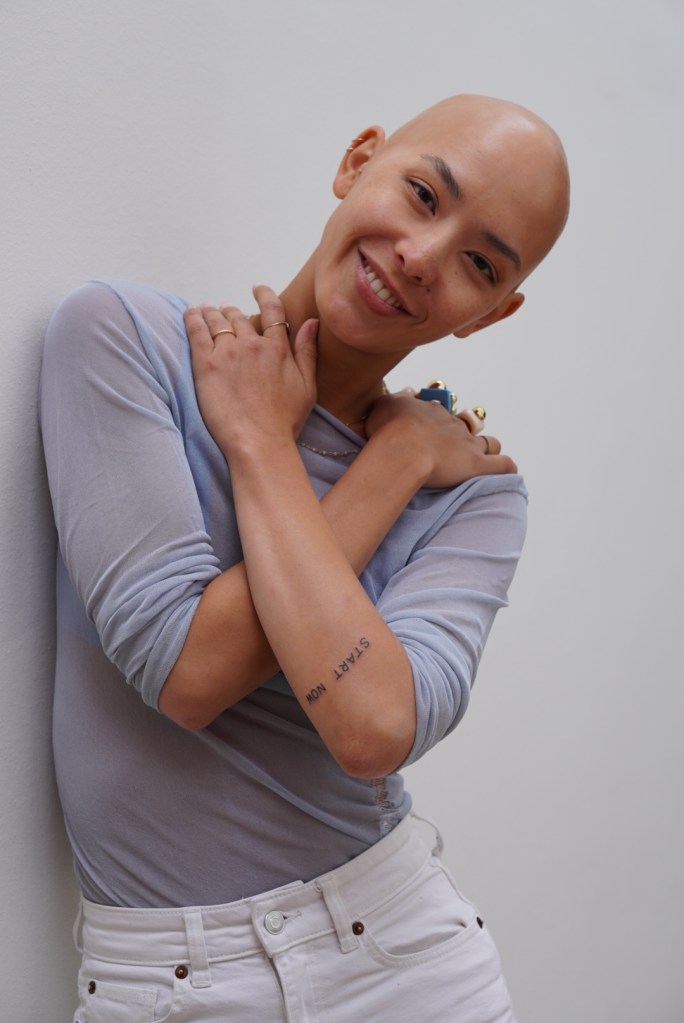
“Sensitive means I feel everything physically. When I was 15, I lost my hair, and no one could tell me why. Sometimes I get extreme joint pain, but there’s no clear cause. Emotional is… feeling everything intensely—highs, lows, everything.”
“Can you talk about your depression?”
“I was 14 or 15, and it wasn’t something I could share with anyone—I felt like I was too much. When I hit those phases, when I was going through hell, I would withdraw from my friends and isolate myself. And that was the worst part—being alone with my thoughts. It would spiral. There were times when everything seemed fine, and then suddenly, I’d crash, feeling unbearably low. Eventually, I started taking medication. Over time, I’ve learned that these lows always pass. When I feel myself spiraling now, I try to hold on, to be firm, and to push myself to do something—anything—that might shift my state, even just a little.”
“Like what?”
“Lately, I repot plants. Or buy a new one. Or make something, like a bracelet I’ll never wear. Just a small action, no real purpose.”
“Knowing all that, are you still capable of falling into depression?”
“Yeah. It feels like an illness inside me, something I can’t fully control. I often don’t even understand why it comes. And it’s strange—people I meet, even I myself sometimes, don’t believe I suffer from depression because it doesn’t match the person I am when I’m not in it. I’m open, present, available to others. But it’s always there, beneath the surface.”
“What is usually the source of your happiness?”
“Simplicity. The time I felt the freest was after London when I decided to go backpacking. I had gone off my meds easily, and for the first time in a while, I felt good. I wasn’t sure anymore what I wanted to do in life or where I wanted to live, but I knew London wasn’t the right place for a depressed person. So I traveled—to find myself, to find home, to learn how to be okay on my own, to solve things without relying on anyone else. The plan was nine months, but Covid cut it down to five. Still, during that time, I realized I didn’t need medication. Even though the trip was difficult—constantly adjusting to new places, new people—I felt so much better. I was happy.”
“Is there something missing in your life now?”
“Probably my career. A job.”
“Do you mean success?”
“No. I mean, I used to want success, but now I just want something that makes me happy and allows me to make a living. I want to be independent. I’ve had jobs, but I haven’t found the job that feels like it’s mine. After university, I was so burned out that I wanted nothing to do with fashion anymore, so I worked in restaurants, did events—not my thing at all, but it paid the bills. Then I traveled, then Covid happened, and I ended up in Paris, looking for literally any kind of job. Now I work at made.com—interior furnishings—which I like. I love my team, that’s what makes going to work worth it, and I enjoy the interactions with customers.
But in my free time, I’m focused on launching my brand—sustainable, upcycled clothing—because that feels right. I love sewing. I sew for my little sister, for my boyfriend. It makes sense to me. But I’m 28, and all my childhood friends are in business, climbing corporate ladders, getting promotions. Meanwhile, I don’t feel stable. I think that’s what’s missing.
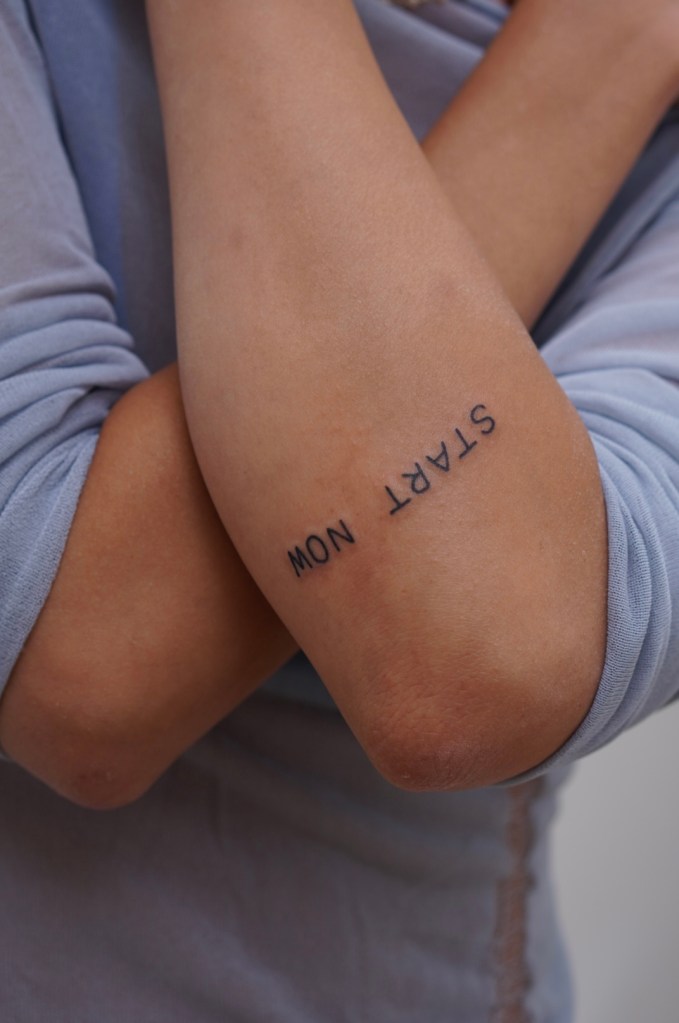
So this year, I told myself—now or never. I’ve had this idea for years, but fear kept holding me back. But then I thought, ‘Four years will pass in a blink. And when they do, what will I have done? Will it be something I love?’ So I decided to start. Now.”
Discover more from Your Story, By Me
Subscribe to get the latest posts sent to your email.
